
Building Without Breaking Tomorrow
Yeah, we're pretty serious about this whole planet thing
The construction industry's responsible for nearly 40% of global carbon emissions. That's... not great. And honestly? It kept me up at night when I first got into this business.
But here's the thing - steel and glass don't have to be the bad guys. Over the past decade, we've figured out how to make 'em work WITH nature instead of against it. Triple-glazed low-E glass that actually saves energy? Check. Recycled structural steel that's stronger than the virgin stuff? You bet.
We track everything - energy consumption, water usage, material sourcing, the whole nine yards. Not because some certification board tells us to, but because if we're gonna keep designing buildings, they'd better be helping fix things rather than making 'em worse.

Average energy reduction vs. conventional builds
Water consumption decrease with our systems
Material recycled or reclaimed in 2023 projects
Tonnes CO2 offset annually from our buildings
We've got 6 LEED APs on staff. They're nerdy about green building codes and we love 'em for it.
Yeah, it's a German standard and it's brutally tough. 14 of our projects have passed - somehow.
Because healthy buildings mean healthy people. Air quality matters, folks.
We orient buildings to catch winter sun and dodge summer heat. Sounds basic, but you'd be surprised how many architects skip this step. South-facing glass with proper overhangs = free heating and cooling.
Steel frames let us create these massive operable windows. Cross-ventilation cuts HVAC usage by like 40% during shoulder seasons. Plus, people actually prefer opening a window to messing with a thermostat.
Those big glass roofs? Perfect for collecting rainwater. We've installed systems that handle irrigation, toilet flushing, even cooling towers. Toronto gets plenty of rain - might as well use it.
Sensors everywhere - monitoring air quality, adjusting lighting, optimizing heating zones. Sounds fancy but it pays for itself in 3-4 years through energy savings alone.
We source reclaimed steel from decommissioned structures and recycled glass with up to 40% post-consumer content. The structural integrity's identical, cost is lower, and embodied carbon drops significantly.
Plants on buildings aren't just Instagram-bait. They provide insulation, reduce stormwater runoff, filter air, and create habitat. We've been doing 'em since 2016 and they work.
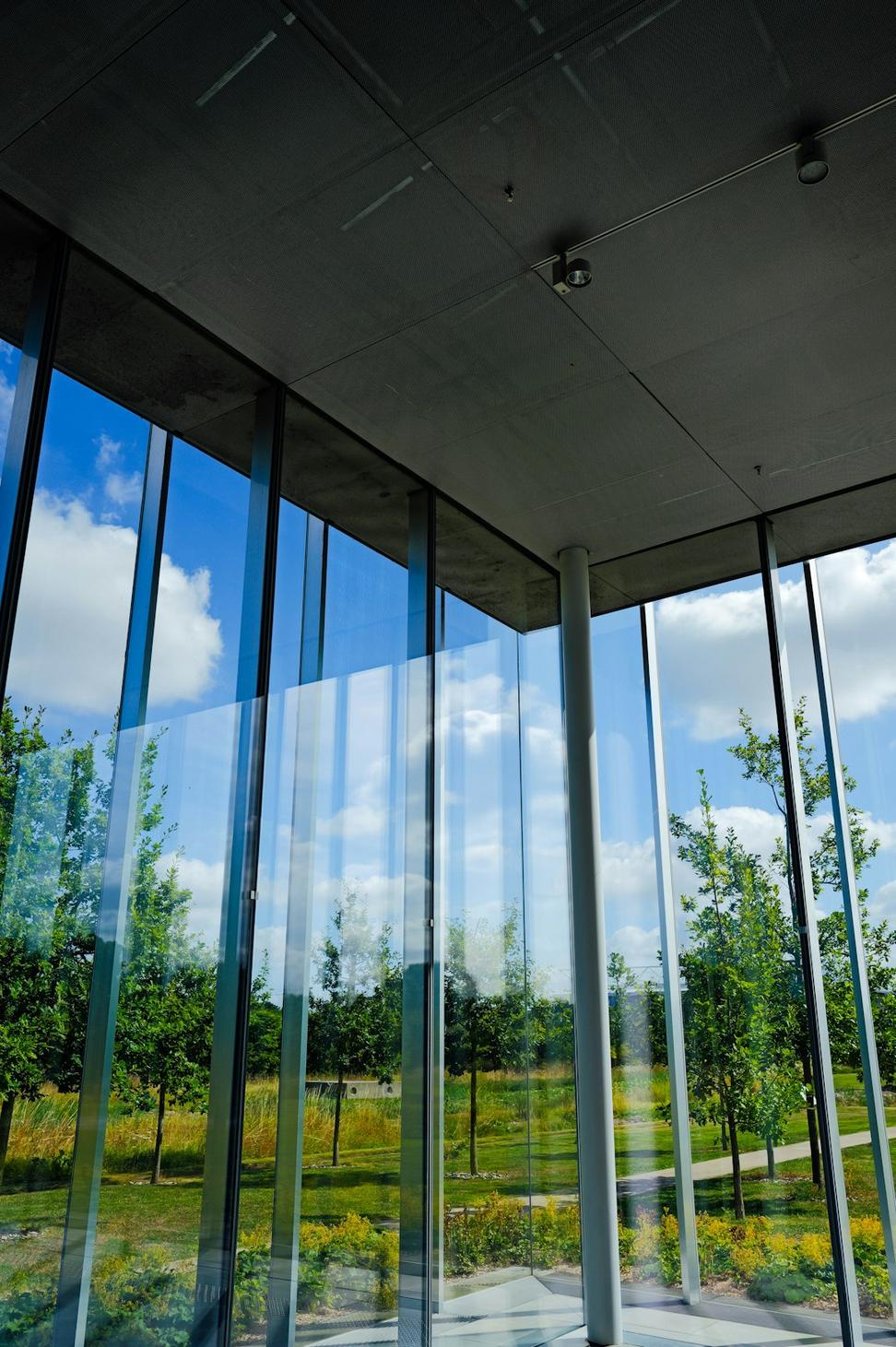
Mixed-use development in downtown Toronto that actually hit net-zero energy in its first year. Yeah, we were surprised too.
Combined geothermal heating, 180kW solar array, triple-glazed curtain wall, and a greywater system. Tenants have been there 3 years and their utility bills are basically nonexistent. That's the kind of stuff that makes this job worthwhile.
See More ProjectsPer square meter over 50-year building lifespan
Annual kWh consumption per square meter
Potable water consumption annually
Construction waste to landfill
We're not claiming we've got it all figured out. There's still a ton of work to do. But here's what we're focused on for the next couple years:
Yeah, it's ambitious. We're partnering with reforestation projects and working on carbon-sequestering concrete mixes.
Designing buildings that can be completely disassembled and reused. No more demolition waste.
Sharing what we've learned with other firms. Competition's cool and all, but the planet matters more.
Every building we design will generate more clean energy than it consumes. That's the baseline.
Let's talk about what sustainable design could look like for your project. No greenwashing, just honest conversation about what's actually achievable.